
3 hr
Philae Temple Island Tour
Cross the Nile by boat to explore the sacred island sanctuary of Isis, relocated stone by stone
Reserve
Hand-picked by our editors — only the best 5 experiences from 47 reviewed.
Verified partners for every tour, free cancellation where available, and instant confirmation on every booking.
3 hr
Cross the Nile by boat to explore the sacred island sanctuary of Isis, relocated stone by stone
Reserve
10 hr
Journey to one of Egypt's most spectacular monuments with hotel transfers and time to explore at leisure
Reserve
10 hr
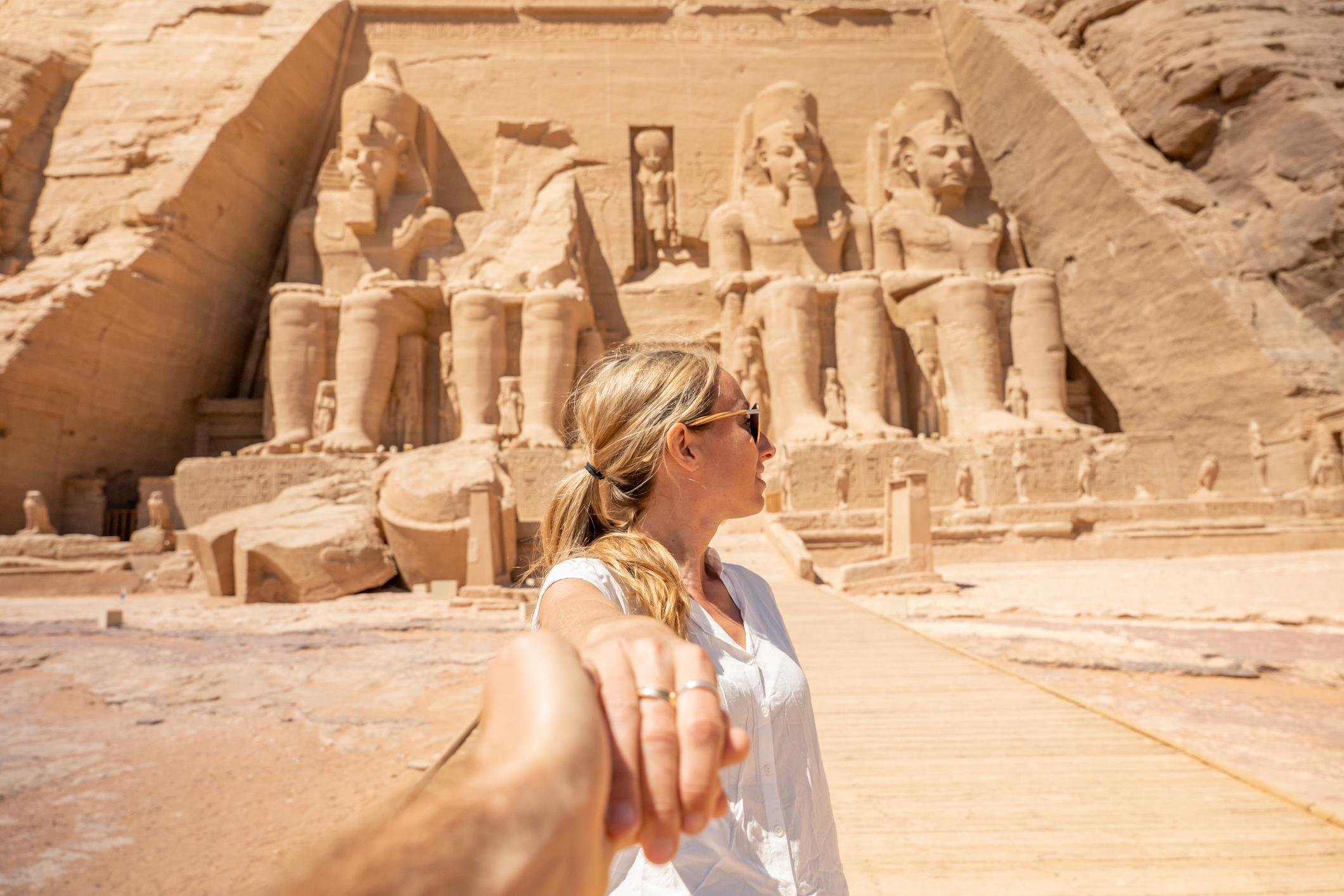
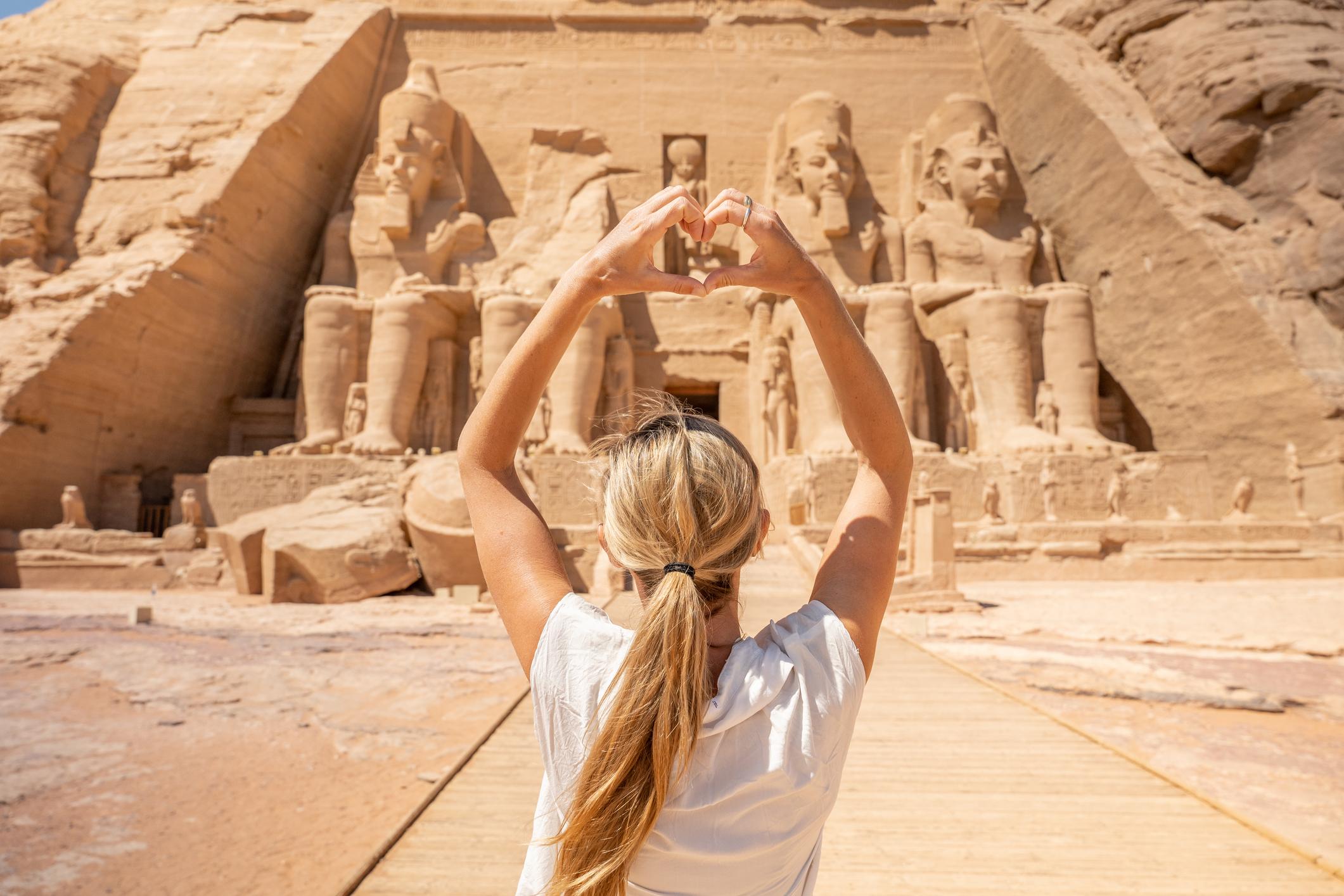
Journey to Ramses II's monumental temples, relocated stone by stone to escape the rising Nile
ReservePrices from verified partners. Availability updates in real time at checkout. Free cancellation policies apply where shown.
The landmarks, rooms, and views travelers on this tour remember — all visible on a single visit.
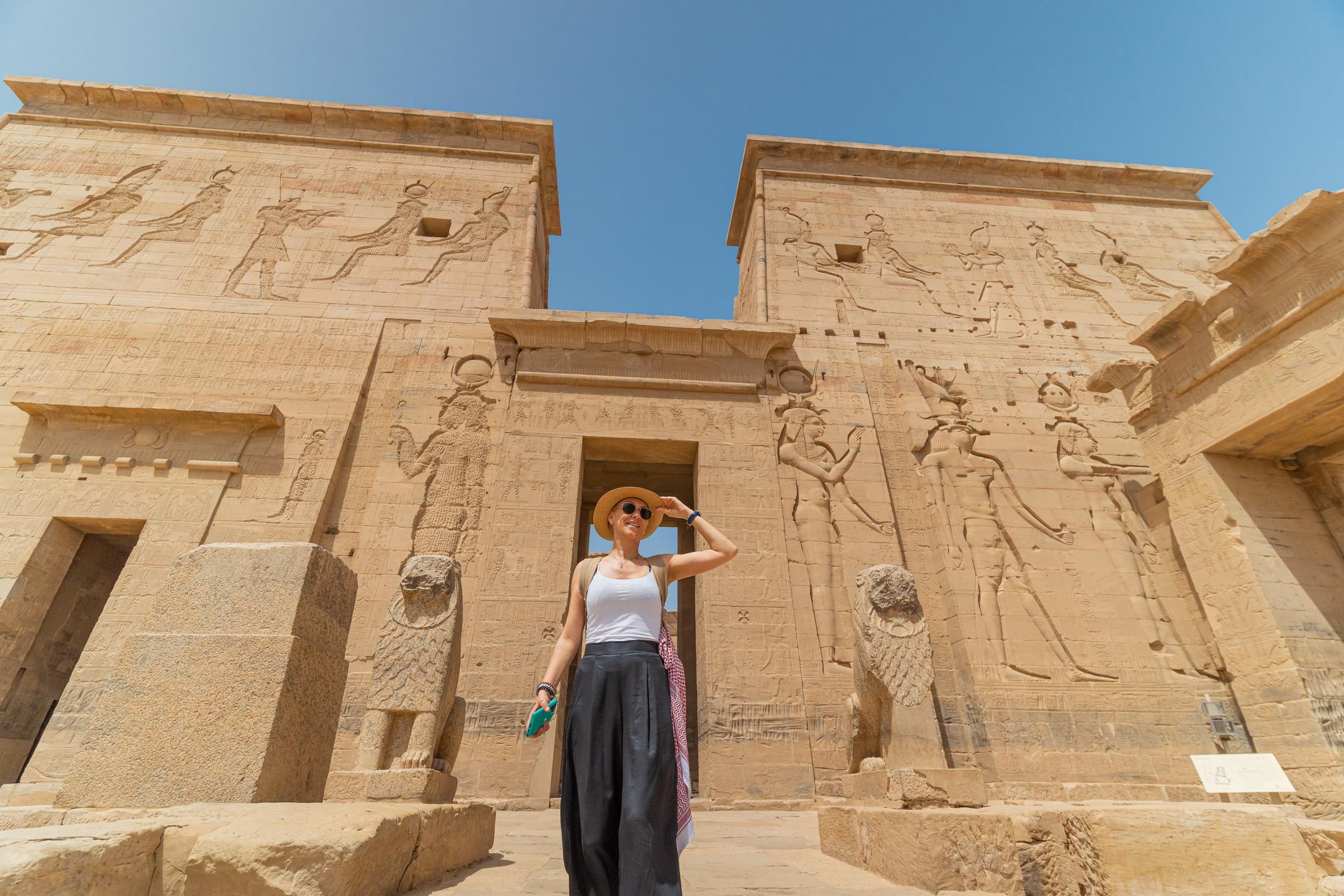
The main sanctuary featuring massive pylons and intricate carvings dedicated to the goddess Isis. It is a stunning example of late Egyptian architecture.
A grand gateway adorned with historical reliefs that welcome visitors to the temple complex. This structure showcases the blending of local and Greek artistic styles.
Known as the Pharaoh's Bed, this unfinished structure features beautiful columns that overlook the Nile. It is one of the most photographed landmarks in the entire complex.
A dedicated space used for rituals celebrating the divine birth of Horus. It features well-preserved reliefs and ancient religious symbolism.
The site of the last dated hieroglyphic inscription in Egypt, marking the end of an ancient era. It is a quiet yet significant historical detail often highlighted during a tour.
They complement each other; most visitors who do both find the remote Abu Simbel complex more imposing, while the island-based Philae temple group tour offers a serene, accessible experience. Booking the right philae temple group tour tours ensures logistics are managed effectively.
| Feature | Top pick Philae Temple | Abu Simbel |
|---|---|---|
Travel Time from Aswan |
15-30 minutes | 3-4 hours one-way |
Scale and Monumentality |
Intimate island complex | Massive rock-cut facades |
Accessibility |
Short boat ride required | Remote desert location |
Primary Transport Method |
Motorboat | Private car or coach |
Historical Significance |
UNESCO relocated site | UNESCO relocated site |
Philae temple group tour tour availability |
Multiple daily slots | Early morning departure required |
| See tickets → |
Verdict: Choose the Philae temple group tour tickets for a flexible, short-duration outing, or dedicate a full day to Abu Simbel to witness the grandeur of these Egyptian landmarks.
Choose your ticket, select your date, and reserve in under two minutes. Secure checkout handled by our verified partner.
Instant confirmation by email, with a mobile voucher you can save offline. No printing, no queuing at a collection desk.
Arrive at the entrance, show your voucher on your phone, and walk in. Most tickets include priority or skip-the-line access.
Practical details for your visit straight from our verified partners — hours, access, rules, and how to get there.
Modest clothing covering shoulders and knees is recommended out of respect for the site's religious history. Comfortable walking shoes are essential for navigating the stone pathways.
Security screening is standard upon arrival at the marina. Keep personal items to a minimum as there are no secure lockers for large bags.
Photography is permitted for personal use. Capturing the architecture of the philae temple group tour during early morning light is highly recommended.
The island is accessed by boat, which may be difficult for visitors with limited mobility. Once on the island, pathways are primarily uneven ancient stone.
The site is educational and open-air, but keep children close near the water's edge and the boat landing areas. The philae temple group tour is suitable for older children interested in mythology.
There is no food available inside the temple complex. Carry sufficient water to stay hydrated during your philae temple group tour visit.
Best time to go, insider tips, nearby landmarks, and the cancellation fine print — flip through to skim what matters to you.
Flexible, no hidden fees.
Entry tickets for the philae temple group tour are typically non-refundable once issued. Please check your specific operator's terms if booking a comprehensive package.
UNESCO moved Philae stone by stone between 1972 and 1980, dismantling the entire Ptolemaic complex from its flooded home on Philae Island and reassembling it on higher ground at Agilkia. The effort saved forty thousand carved blocks from submersion beneath Lake Nasser, preserving twenty-five centuries of devotion to Isis. Today the temple stands exactly as it did in 380 BCE, when Nectanebo I laid the first pylon foundations, though the water lapping at its new shore is sixty metres deeper than the Nile that once surrounded it. Philae was the last temple in Egypt to practice ancient religion. Priests maintained rituals to Isis until 550 CE, three centuries after Rome adopted Christianity and long after Thebes and Memphis had fallen silent. Justinian closed the sanctuary by imperial decree, converting the hypostyle hall into a church and chiseling crosses over hieroglyphs. The temple of Isis group tour routes trace this layered history, moving from the outer colonnades — where Ptolemaic pharaohs are depicted in Egyptian regalia making offerings — through the mammisi birth house, past the kiosk of Trajan with its fourteen unfinished columns, and into the inner sanctum where Coptic inscriptions overlay scenes of Horus and Hathor. The island itself spans only 400 by 135 metres, a compact precinct that concentrates two dozen structures within walking distance. Every surface carries relief work: the western colonnade depicts the Nile flood god Hapy binding lotus and papyrus, the first pylon shows Ptolemy XII smiting enemies before Isis, and the inner walls of the sanctuary preserve the myth of Osiris in sequential panels. Aswan temple excursions converge here because Philae synthesizes three thousand years of continuity — pharaonic iconography executed under Greek rulers, later annotated by Roman emperors and finally repurposed by early Christians. The island's relocated stones rest on a foundation sculpted to match the original site's contours, a replica geography designed to preserve not just the temple but its relationship to water and sky. From the boat landing to the outer courtyard, every sightline was calculated during the UNESCO project to restore the perspectives pilgrims encountered when the Nile still flowed freely between Aswan and the First Cataract.
"Philae was the last temple in Egypt to practice ancient religion, its priests maintaining rituals to Isis until 550 CE."
A step-by-step walkthrough of the visit — what you'll see, how long each stage takes, and the details that matter.
You board the motorboat at the western dock below the Aswan High Dam, crossing 300 metres of reservoir water that glints copper in early light. The temple's first pylon grows taller as you approach Agilkia Island, its twin towers framing the entrance gate where your guide gathers the group beneath the carved figures of Ptolemy XII. You walk through the outer courtyard, passing the colonnaded ambulatory on your left, and enter the hypostyle hall where ten columns support a roof still blackened by centuries of incense smoke. Your group pauses at the mammisi, the small birth house where reliefs show Isis nursing Horus in the marshes, then continues to the inner sanctuary where the granite naos once held the cult statue. The guided philae excursions typically allocate thirty minutes for the central temple, then fifteen for the kiosk of Trajan at the island's eastern edge, its open-sided pavilion overlooking the water. You climb the low steps to the kiosk's platform and turn back toward the main complex, the view framing the entire sacred precinct against the ridge of desert hills beyond. The return boat departs from the same dock, and you leave Agilkia as the mid-morning sun begins to blanch the sandstone, the temple façade already crowded with tour groups arriving from cruise ships moored downstream.
The conservation fee for foreign adult visitors is 550 EGP. Always verify if your specific philae temple group tour package includes this fee.
The best arrival window is 07:00–09:00 to avoid mid-day heat and large groups. This timing makes any philae temple group tour more comfortable.
Yes, families are welcome, though children should be supervised near the water. A philae temple group tour provides a great history lesson for school-age children.
You can purchase standard entry tickets online, but a philae temple group tour often includes skip-the-line benefits managed by your operator.
Please refrain from bringing drones or professional tripods on your philae temple group tour. Standard personal bags are usually allowed after security checks.
Most visitors spend about 1.5 to 2 hours exploring the site. Your philae temple group tour itinerary may vary based on your guide's pace.
Most tours handle the boat logistics, but independent visitors must negotiate the crossing separately. Check your philae temple group tour inclusions before you arrive.
Yes, photography is allowed during your visit. The lighting during a morning philae temple group tour is perfect for photos.
During summer, we recommend a morning philae temple group tour to avoid the peak heat. The site remains open daily regardless of most weather conditions.