10 hr
Abu Simbel Temple Full-Day Excursion from Aswan
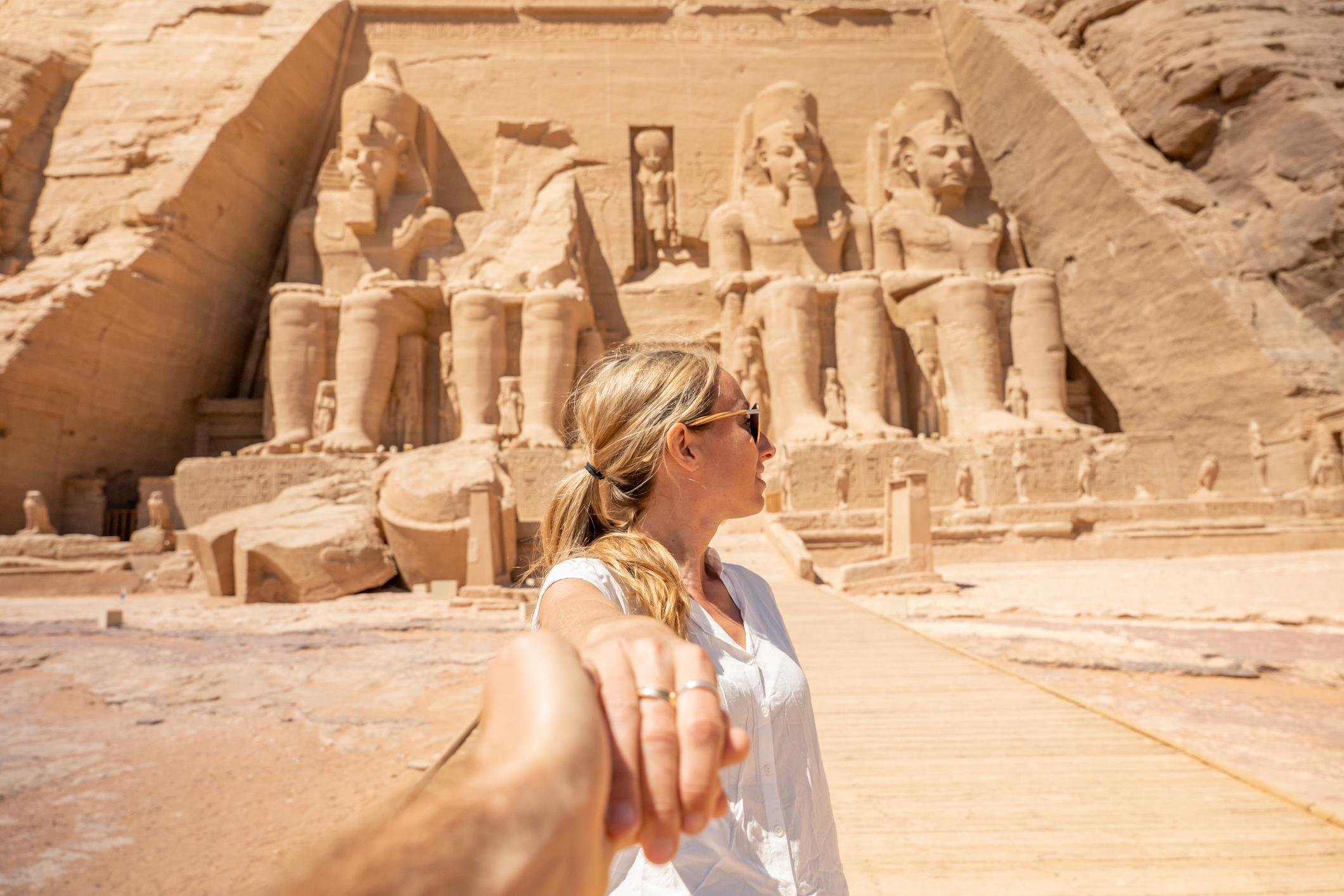
Journey to Ramses II's monumental temple complex with round-trip transport from your Aswan accommodation
Reserve
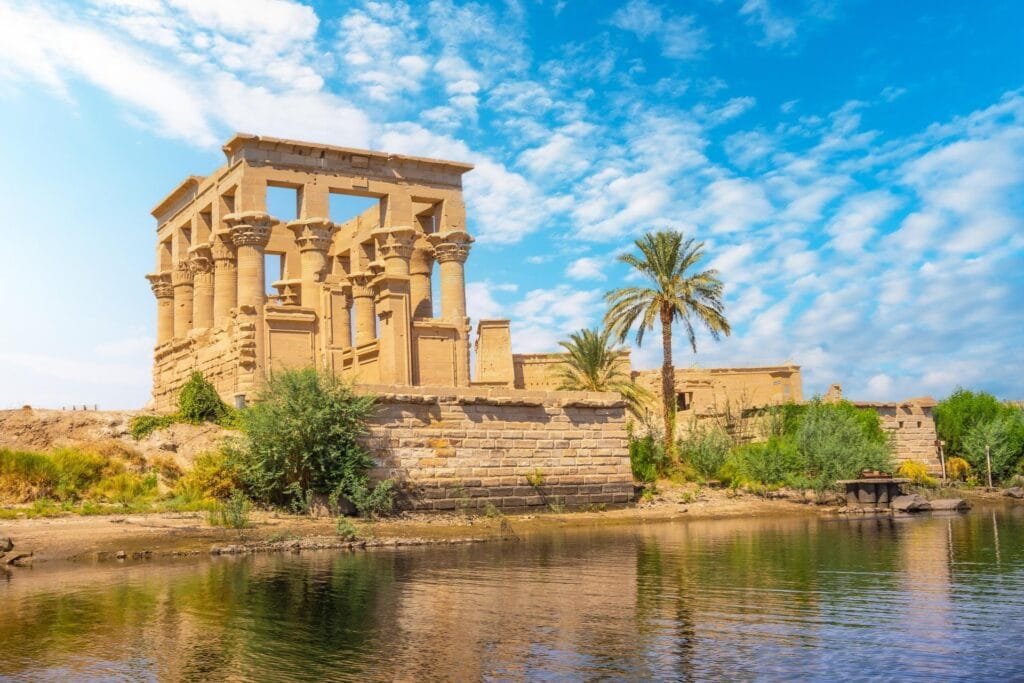
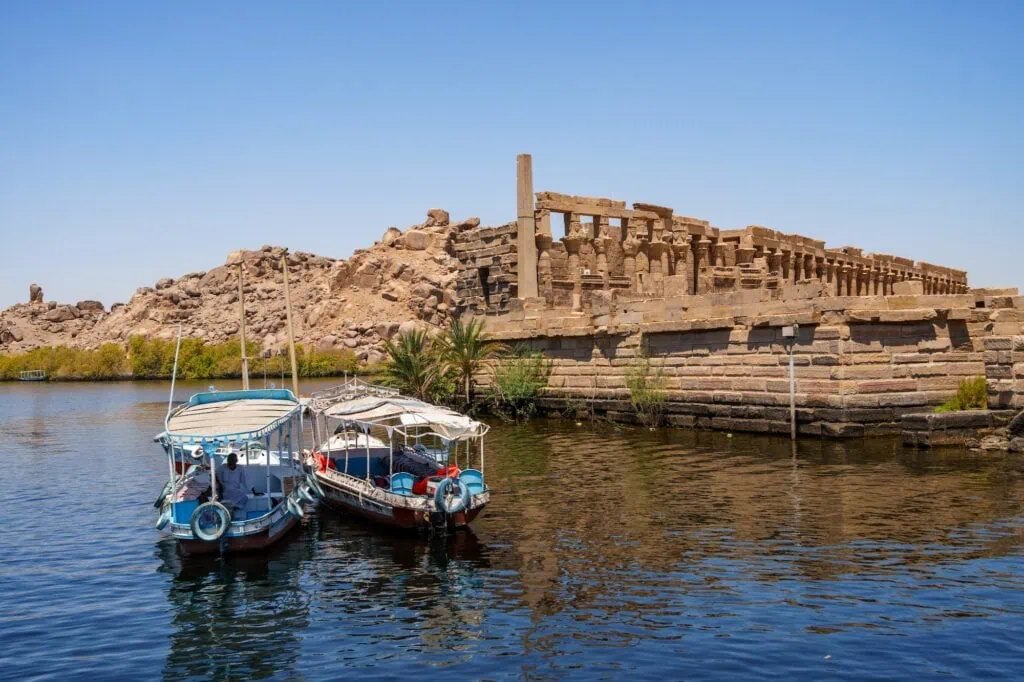
Ptolemaic columns rising from rescued stone, reached only by water
Hand-picked by our editors — only the best 8 experiences from 23 reviewed.
Verified partners for Philae Temple tours, free cancellation where available, and instant confirmation on every booking.
10 hr
Journey to Ramses II's monumental temple complex with round-trip transport from your Aswan accommodation
Reserve
3 hr
Journey by motorboat to a sacred island sanctuary and discover the temple UNESCO moved stone by stone
Reserve
4 hr
Explore Aswan's ancient wonders and modern marvels with expert guidance on this comprehensive half-day tour.
ReservePrices from verified partners. Availability updates in real time at checkout. Free cancellation policies apply where shown.
The landmarks, rooms, and views travelers on Philae Temple tours remember — all visible on a single visit.
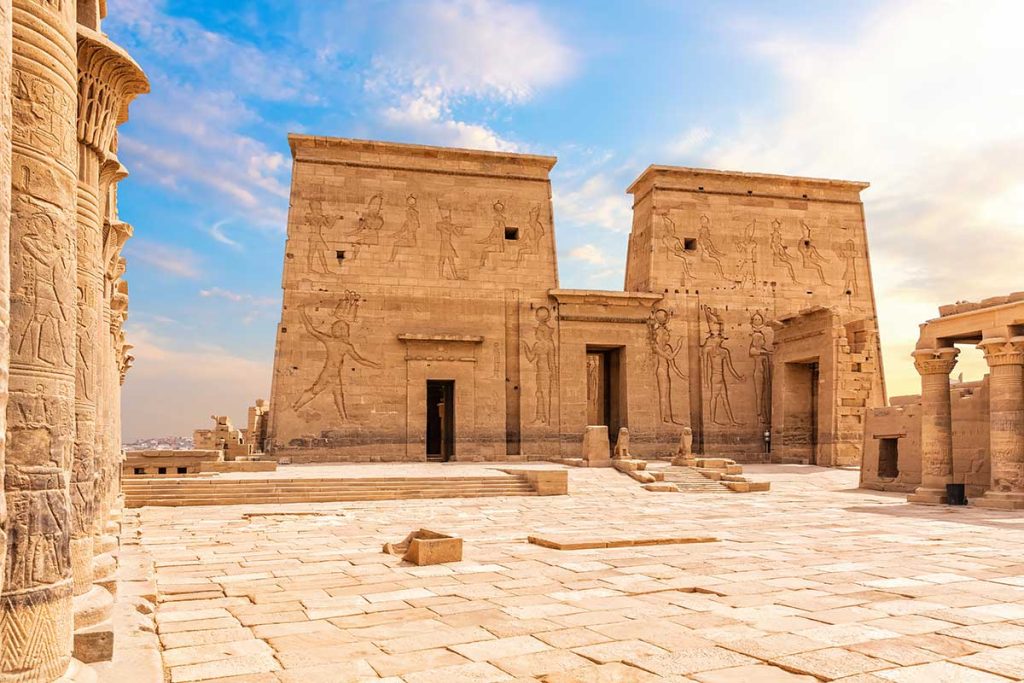
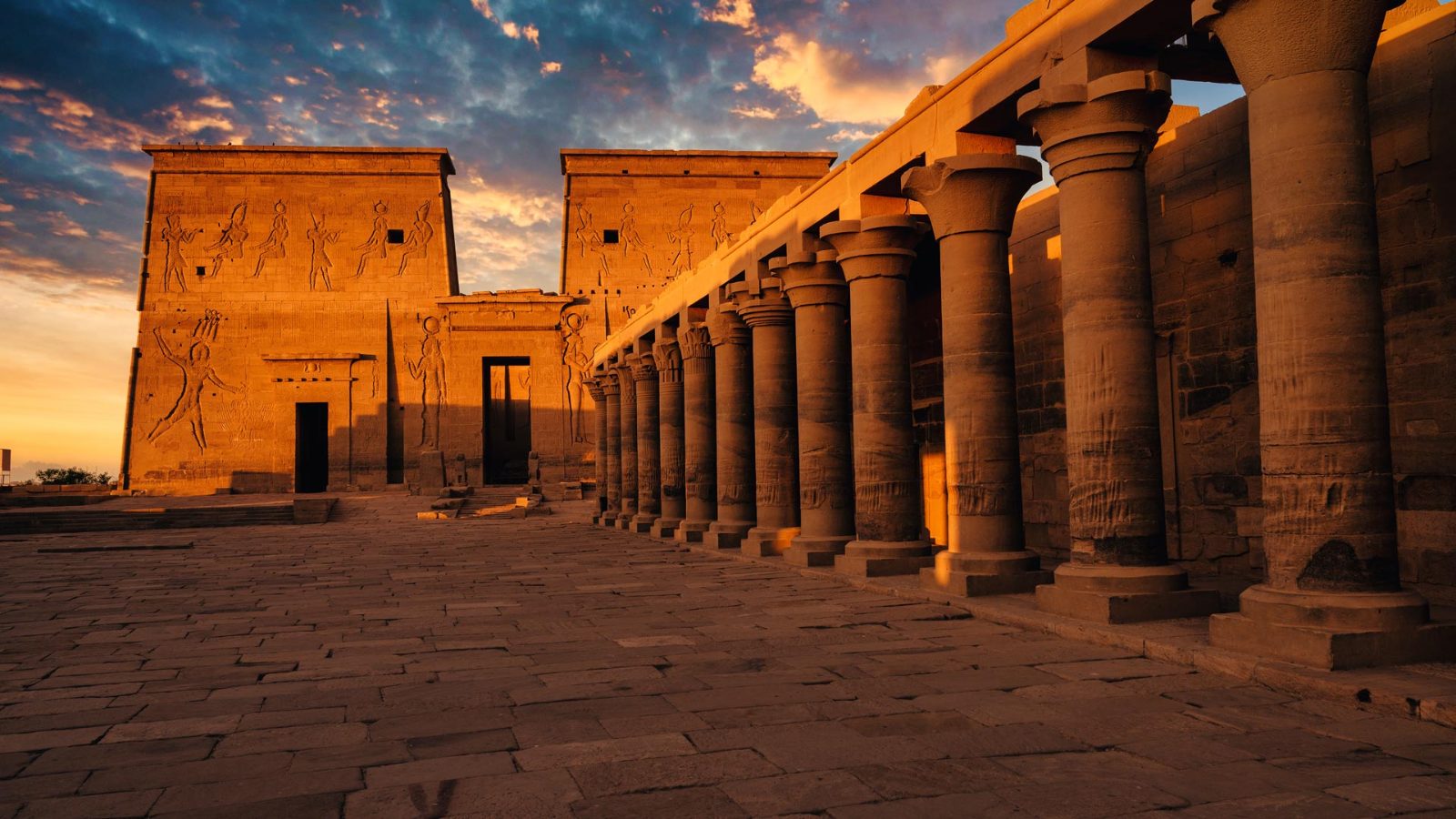
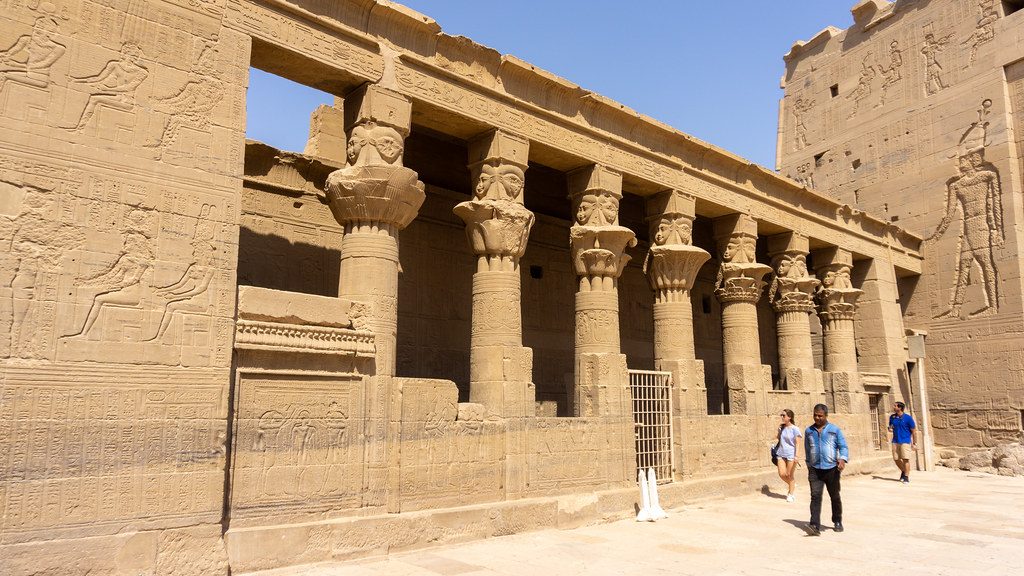
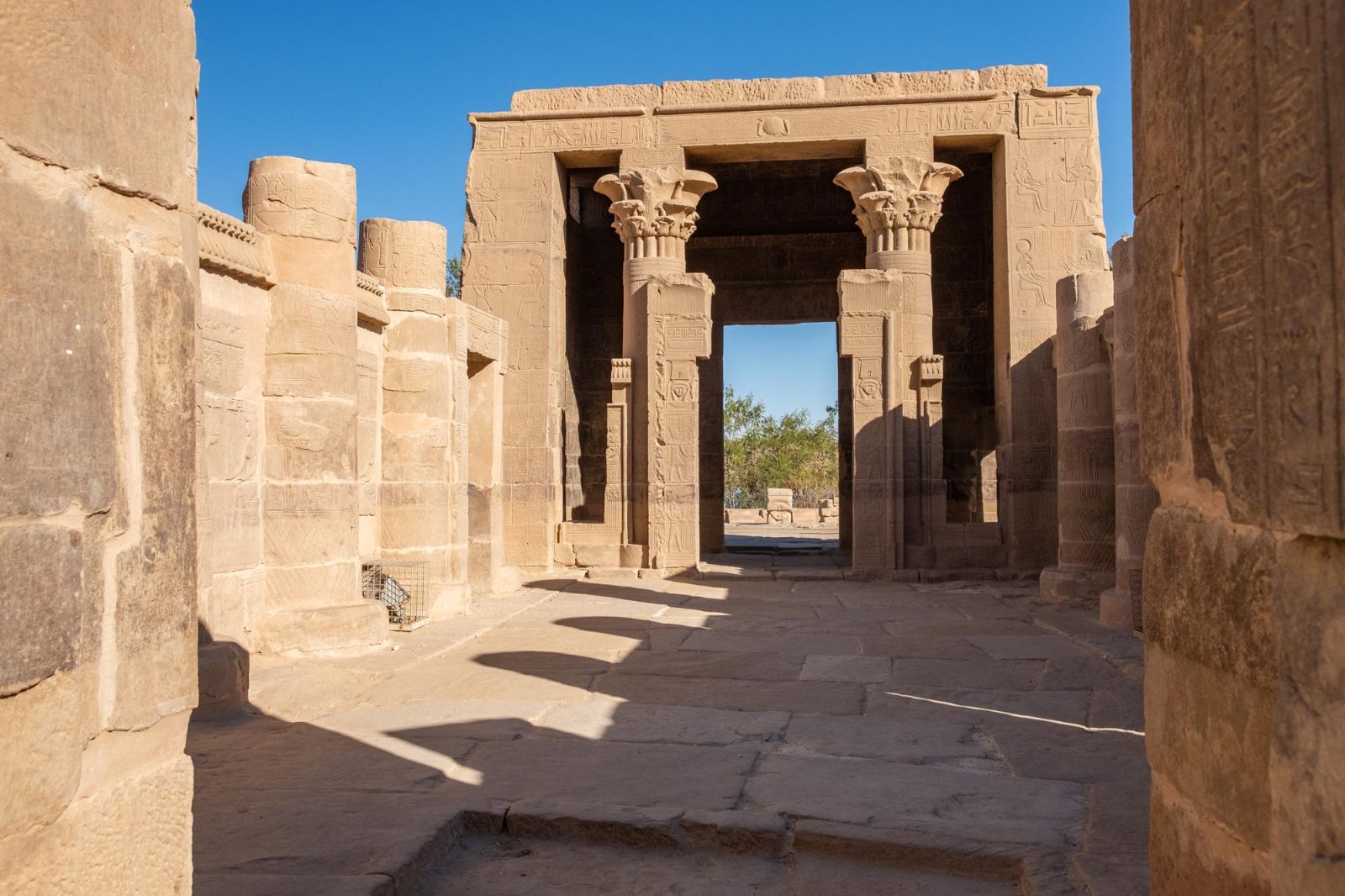
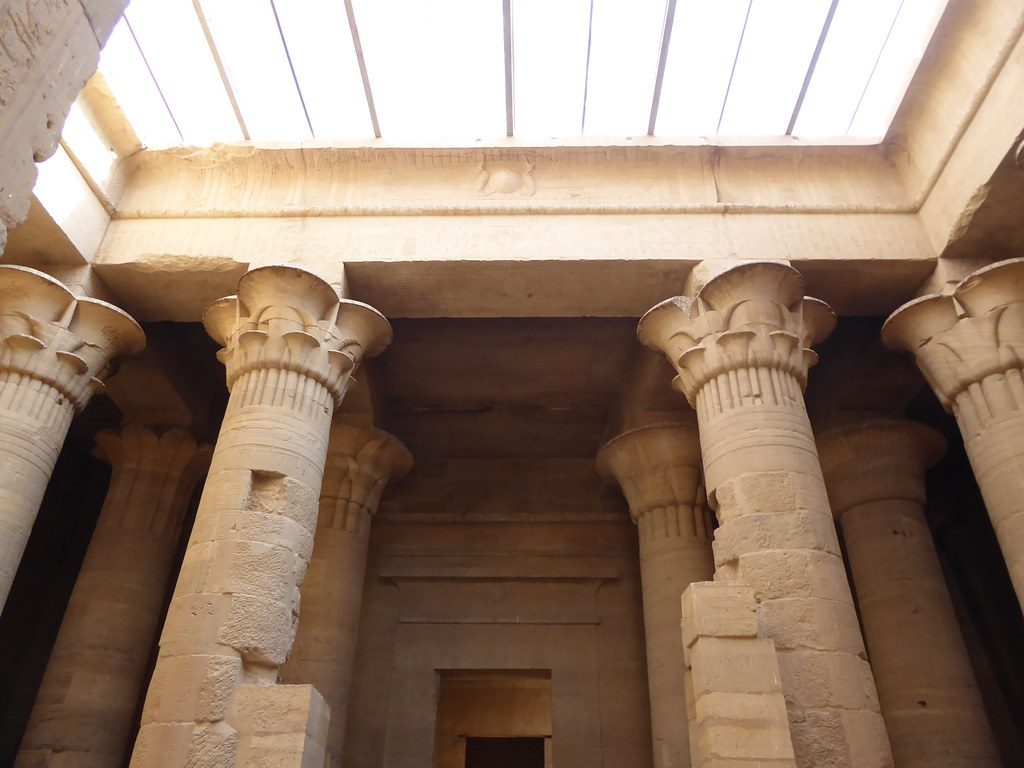
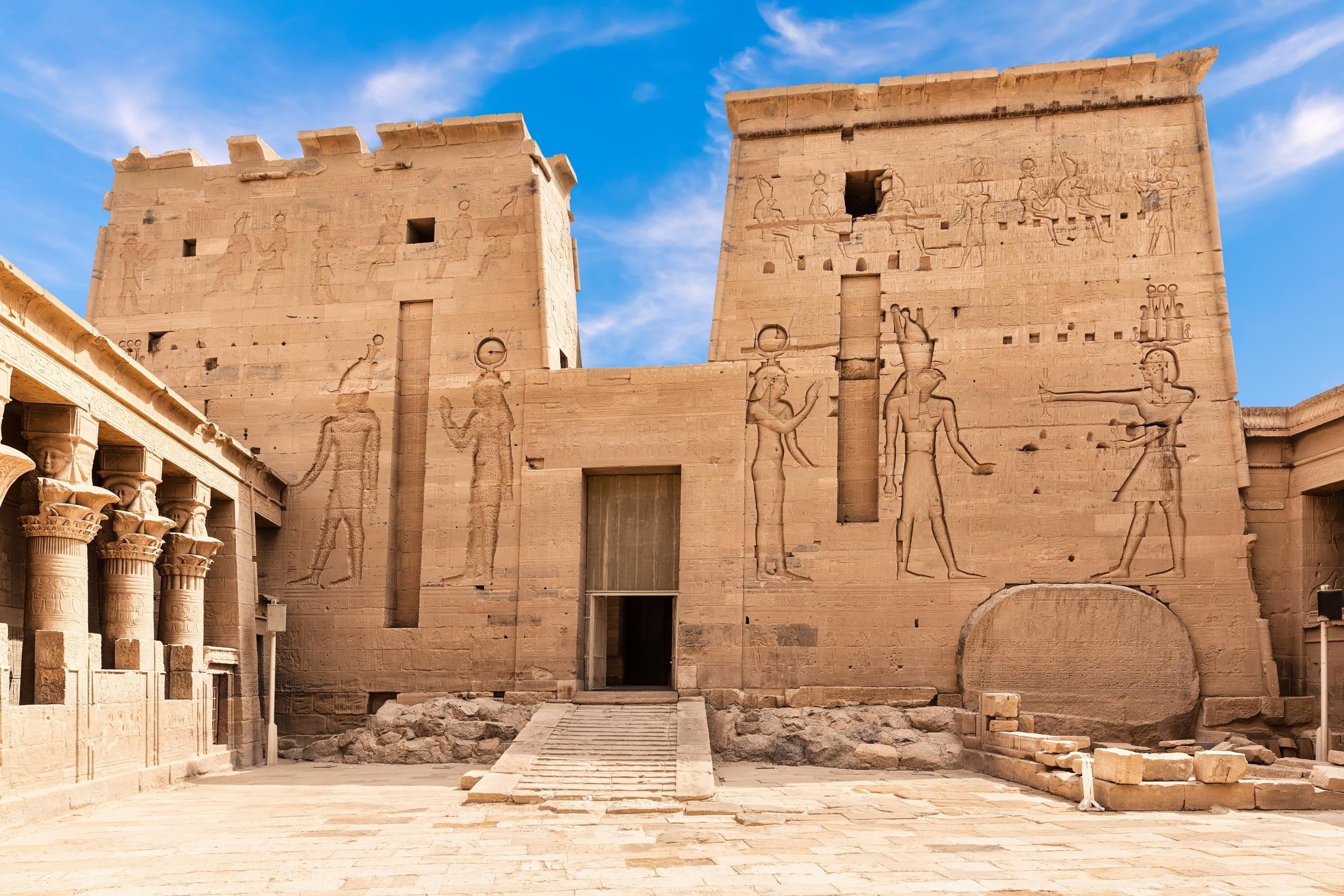
The main temple of the complex, dedicated to the goddess of motherhood and healing. It features grand pylons and a hypostyle hall that showcases the transition from Egyptian to Roman rule.
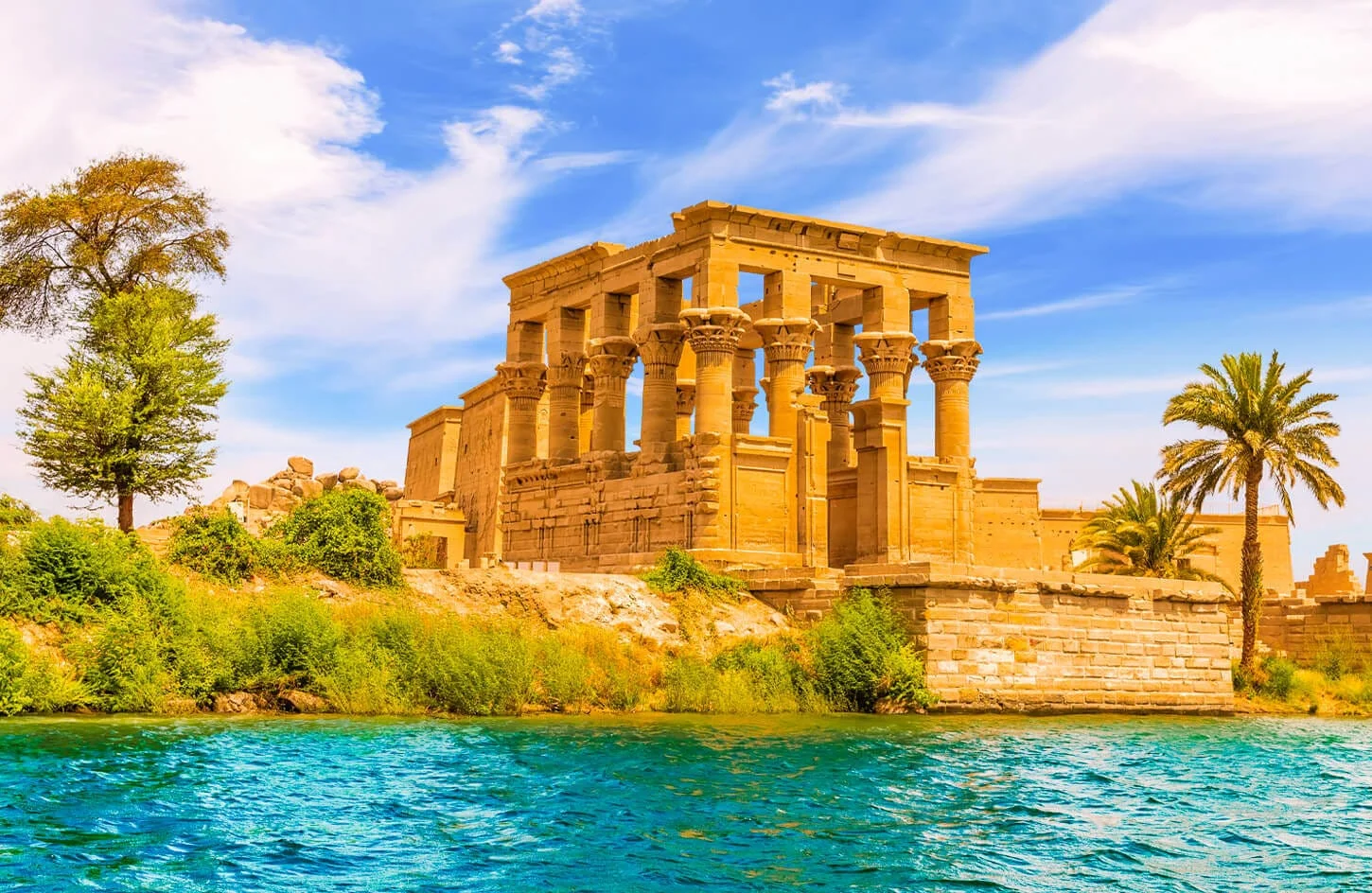
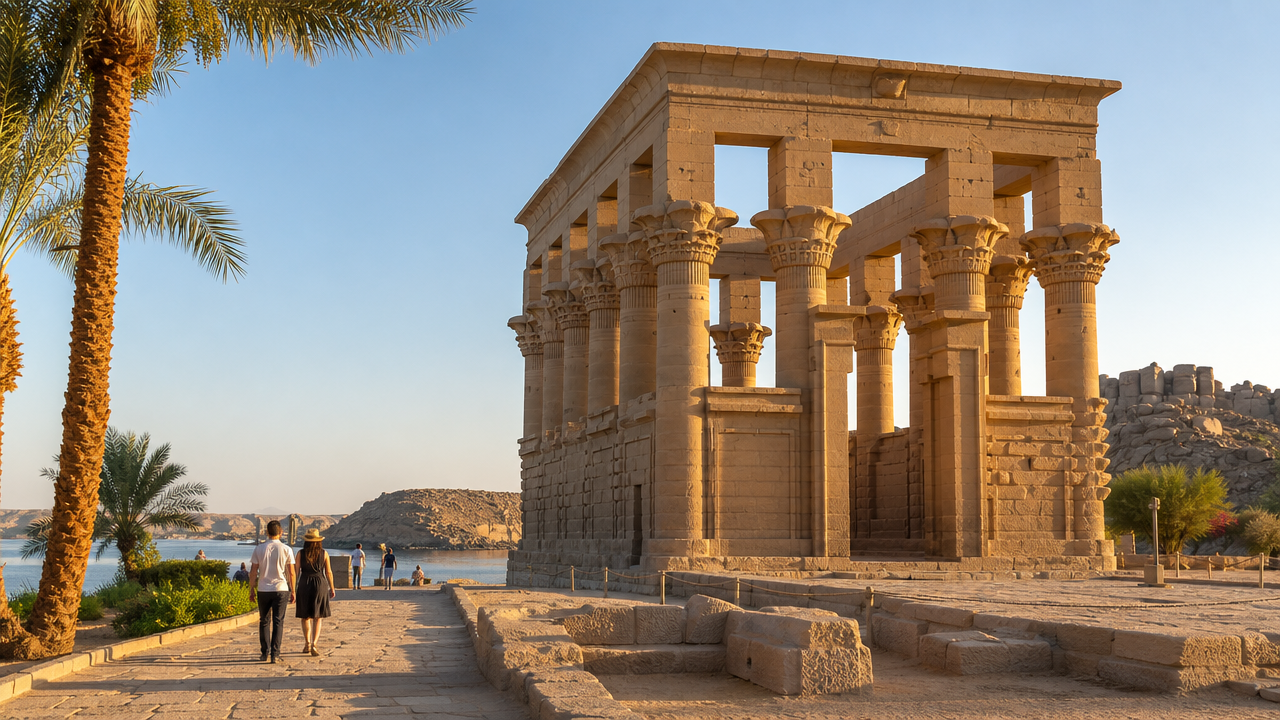
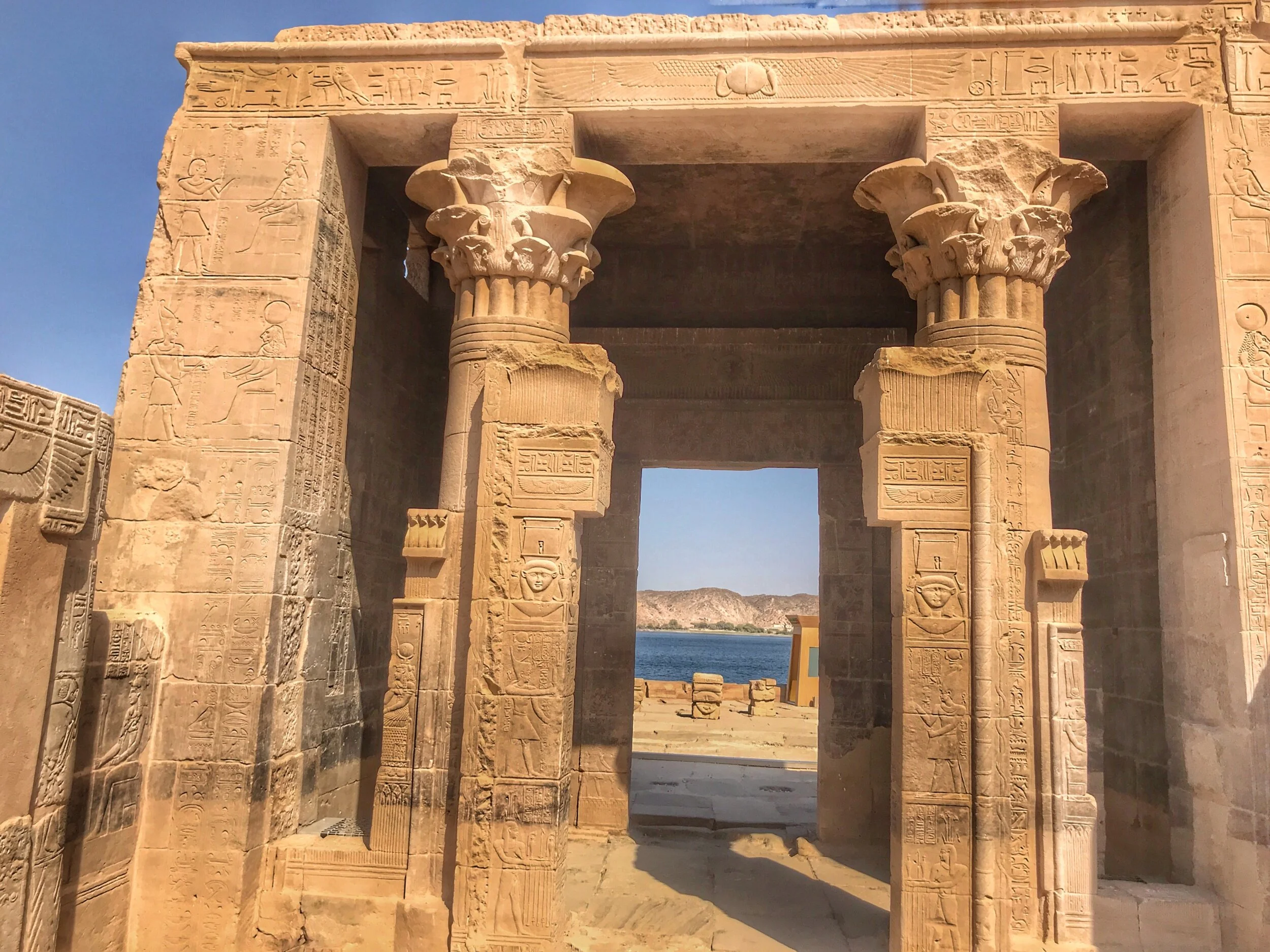
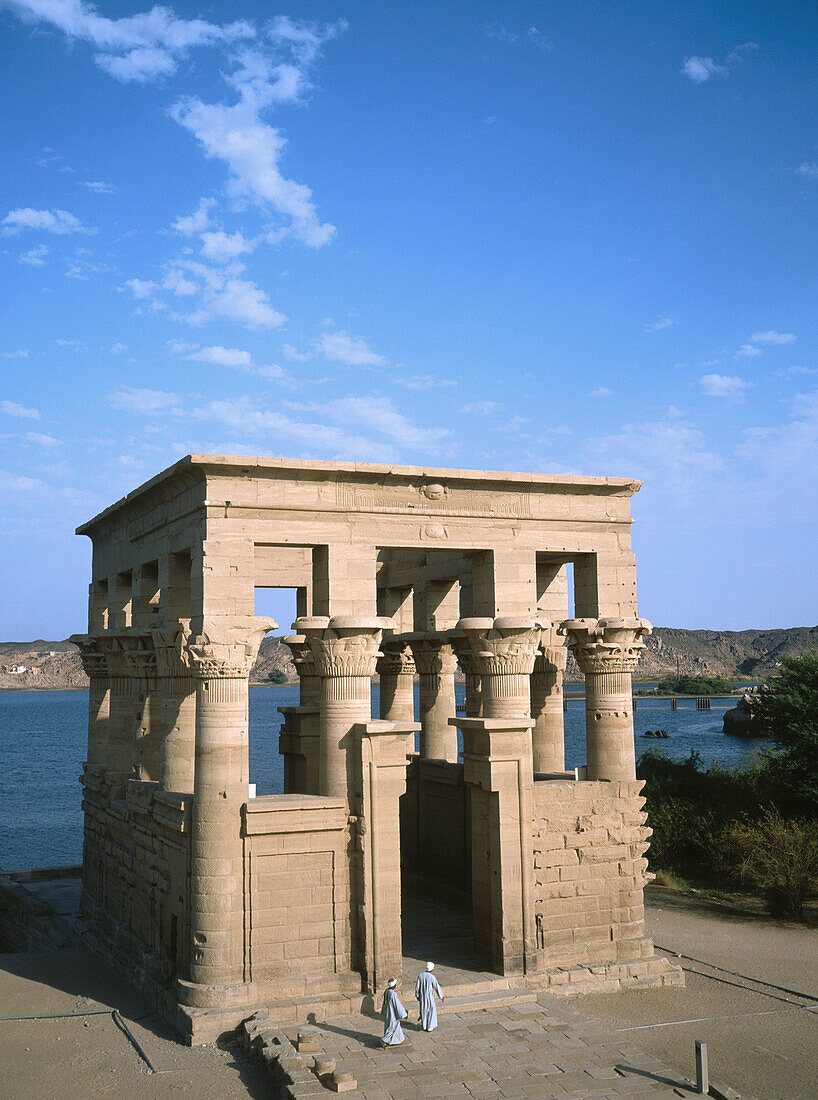
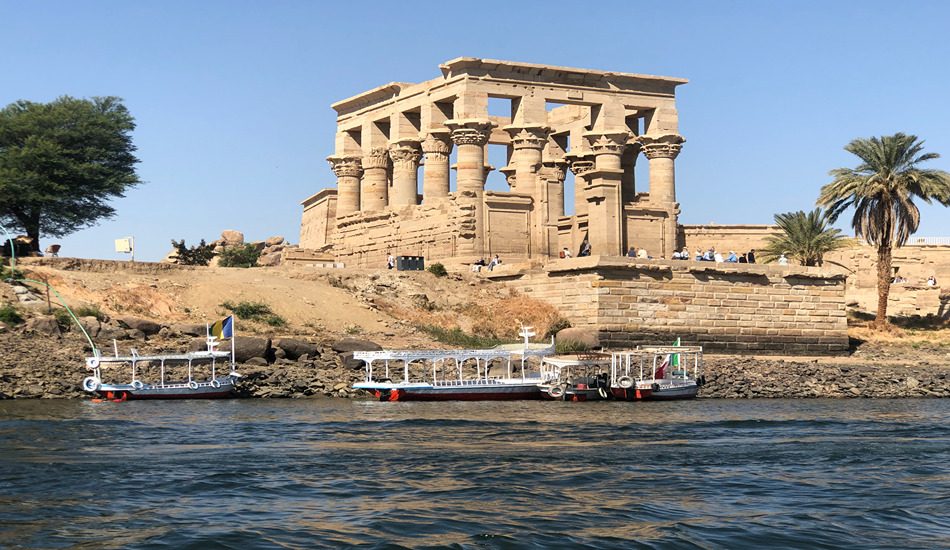
A lakeside pavilion built by Roman Emperor Trajan with 14 massive columns. It served as a shelter for the sacred barque of Isis during festivals.
A smaller shrine built by Ptolemy VI and VIII, decorated with reliefs of musicians and dancers. It was dedicated to the goddess of music, love, and joy.
The Birth House of Horus, where rituals celebrating the divine birth of the falcon god were performed. The chamber walls depict Isis nursing the infant Horus in the delta marshes.
A monumental stone archway marking the edge of the complex. It contains the last known hieroglyphic inscription written by ancient Egyptian priests in 394 AD.
Every Philae Temple tour side-by-side — duration, what's included, how you redeem.
| Experience | Duration | Rating | Transfers | Pickup | Guide | Free cancel. | Price | |
|---|---|---|---|---|---|---|---|---|
|
Guided Experience Most popular
Abu Simbel Temple Full-Day Excursion from Aswan
|
10 hr | ★ 4.5 | ✓ | ✓ | ✓ | ✓ | €60 | Book → |
|
Standard Entry
Philae Temple Island Tour by Boat
|
3 hr | ★ 4.6 | ✓ | ✓ | ✓ | ✓ | €39 | Book → |
|
Luxury / Private
Private Aswan Heritage Tour: High Dam, Philae Temple & Unfinished Obelisk
|
4 hr | ★ 4.5 | ✓ | ✓ | ✓ | ✓ | €77 | Book → |
All prices from verified partners. Availability and exact terms confirmed at checkout.
Abu Simbel is the more imposing choice for those seeking architectural grandeur, while the philae temple tour offers a more intimate island setting that complements Aswan sightseeing perfectly.
| Feature | Top pick Philae Temple | Abu Simbel |
|---|---|---|
Travel distance from Aswan |
approx 10 km | approx 280 km |
Travel time |
20 minutes | 3 hours each way |
Scale of monument |
Medium (island complex) | Large (colossal facades) |
Time required on-site |
1.5–2 hours | 2–3 hours |
Boat access needed |
Yes (mandatory) | No |
Primary transport mode |
Motorboat | Private car or bus |
| See tickets → |
Verdict: Travelers prioritizing scale choose the massive rock-cut sanctuaries of Abu Simbel, whereas those valuing ease of access and short travel times prefer philae temple tour tours, which provide a more relaxed pace for philae temple tour tickets holders.
Choose your ticket, select your date, and reserve in under two minutes. Secure checkout handled by our verified partner.
Instant confirmation by email, with a mobile voucher you can save offline. No printing, no queuing at a collection desk.
Arrive at the entrance, show your voucher on your phone, and walk in. Most tickets include priority or skip-the-line access.
Practical details for Philae Temple tickets straight from our verified partners — hours, access, rules, and how to get there.
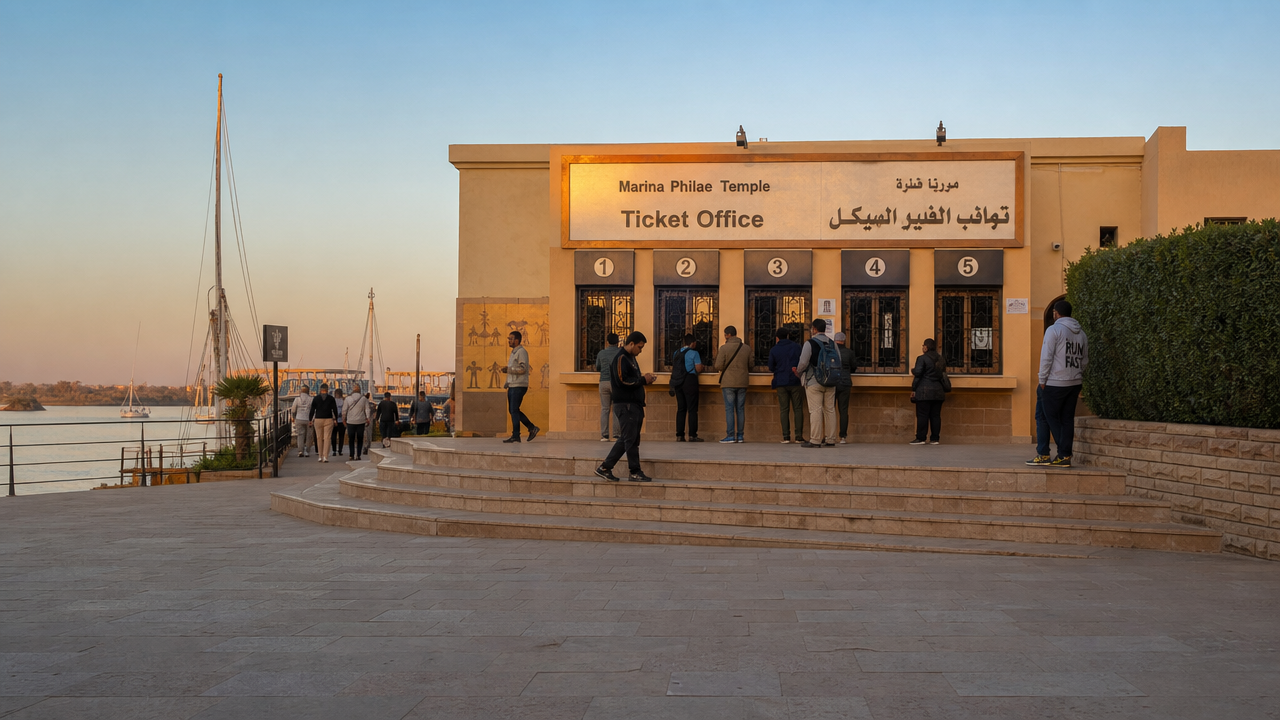
Shallal, Aswan, Egypt
This is where you buy your official 550 EGP entry ticket before boarding any boat.
Open in Google MapsTake a taxi from downtown Aswan to the Shallal Marina, which serves as the departure point.
Board a licensed motorboat from Shallal Marina to reach Agilkia Island.
Modest clothing covering shoulders and knees is recommended as a sign of respect for local customs. Light, breathable fabrics are best for managing the Aswan heat during your Philae Temple tour.
Large luggage and backpacks are not permitted on the island and must be left at the mainland marina security checkpoint. Small bags and purses will undergo routine screening.
Personal non-commercial photography with mobile devices or cameras is allowed without extra charge during your Philae Temple tour. Tripods and commercial video equipment require a separate permit purchased at the ticket office.
Accessing Agilkia Island requires boarding a motorboat, making this Philae Temple tour difficult for visitors using wheelchairs. The island pathways are uneven and covered with sand and loose gravel.
Mobile phone reception is generally reliable across the island, but devices should be set to silent near the active archaeological zones. Charging ports are not available on site.
Strollers are difficult to maneuver on the unpaved paths of the island, so baby carriers are highly recommended. Children under 6 usually enter free, making a Philae Temple tour family-friendly.
There is a small kiosk on the island selling drinks and snacks, but prices are high. Bringing your own bottled water is essential during the warm Philae Temple tour.
Pets are strictly prohibited on Agilkia Island and the motorboats, with no boarding or holding facilities available at the marina.
Always purchase your entry ticket at the mainland ticket booth before attempting to board any motorboat. The boat transfer fee is paid directly to the captain and must be negotiated separately.
Shallal, Aswan, Egypt
This is where you buy your official 550 EGP entry ticket before boarding any boat.
Get directionsBest time to go, insider tips, nearby landmarks, and the cancellation fine print — flip through to skim what matters to you.
How crowds, weather, and events shift across the year.
Between December and February, temperatures range from 15C to 25C, offering the most comfortable exploring weather. However, this is also the peak tourist season with larger tour groups.
March and April bring warmer weather up to 35C. Early morning visits are highly recommended to avoid the midday heat.
From June to August, temperatures regularly exceed 40C. If visiting now, target the 07:00 opening window to escape the extreme UV index.
October and November offer pleasant transitional weather. The crowds are moderate before the winter peak begins.
Small details that turn a good visit into a great one.
Having a guide explain the hieroglyphs and the complex history of the Isis cult makes the visit far richer.
Agree on the round-trip boat price with your captain before getting on board to avoid disputes.
The official ticket office only accepts credit or debit cards, not cash, for the 550 EGP fee.
The evening Sound and Light Show offers a different perspective of the ruins illuminated under the stars.
While tickets require card, boatmen and guides expect tips in local currency cash.
The stone floors can be slippery and uneven, so wear shoes with solid traction.
Non-bookable sights within a short walk — free to visit, easy to pair.
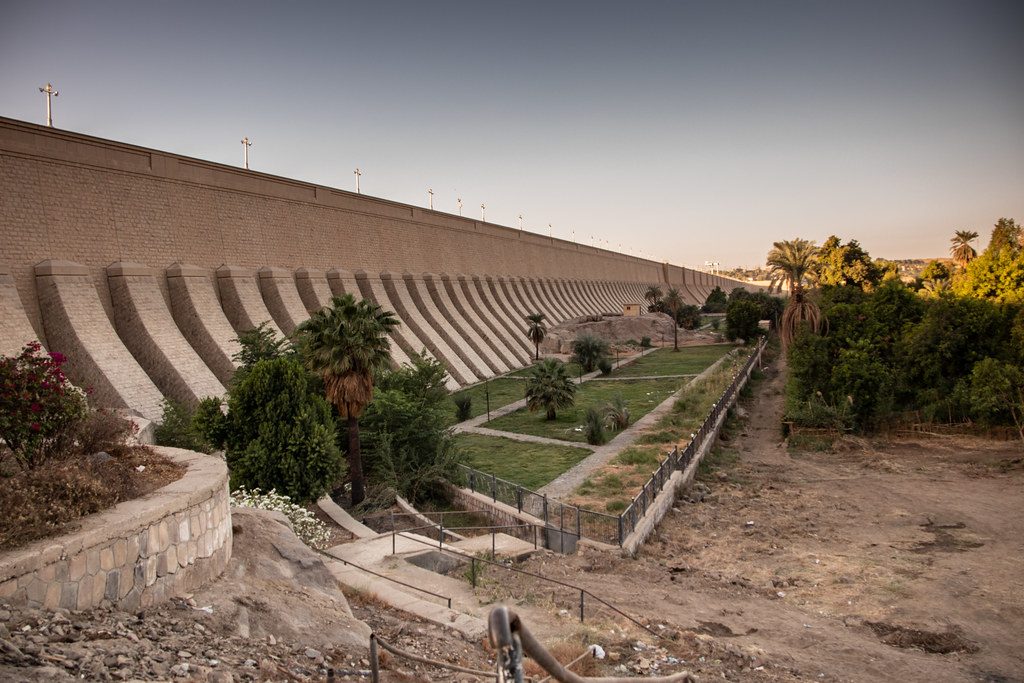
This historical dam built in 1902 offers views of the Nile and sits just north of the marina.
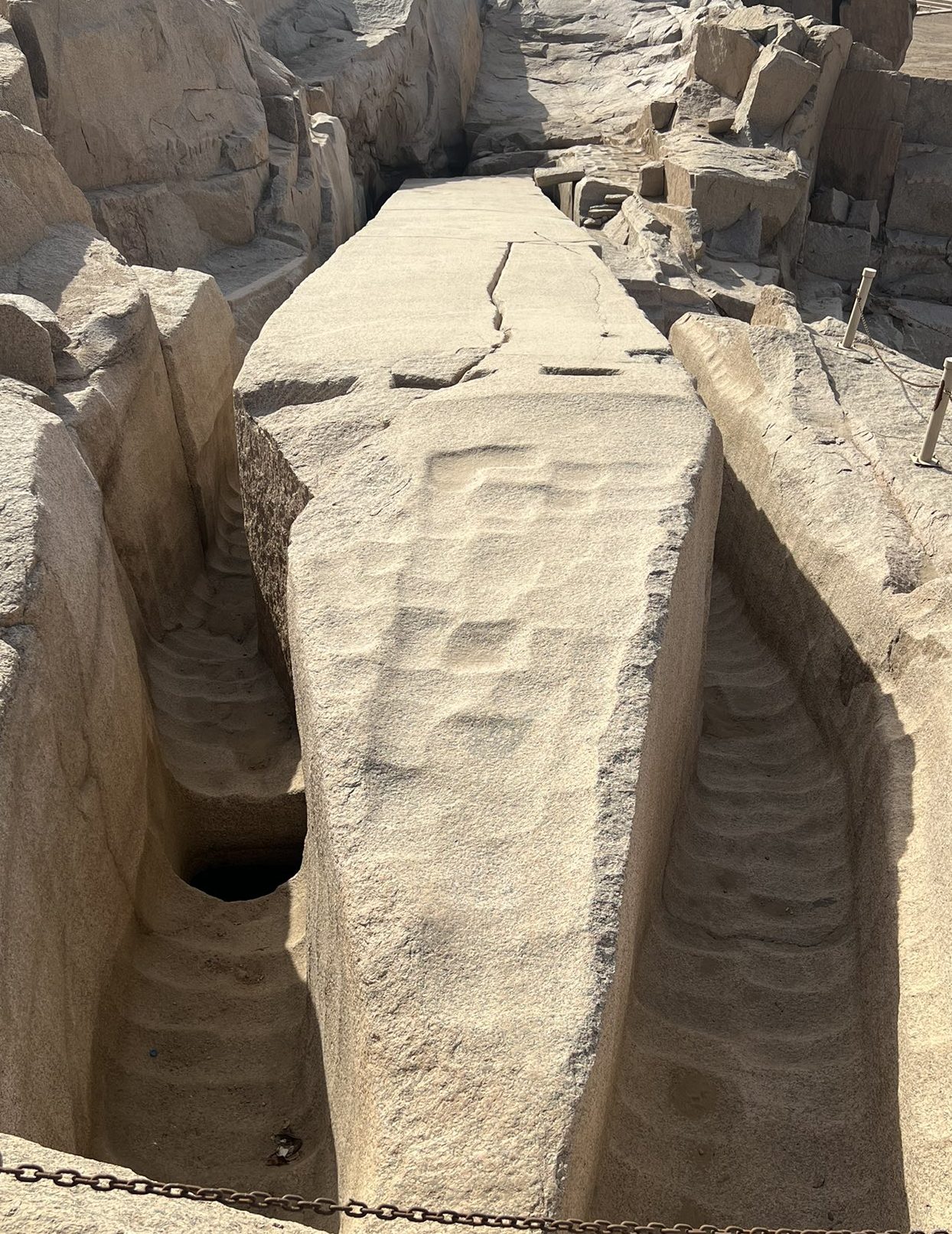
An ancient quarry showing how giant granite obelisks were carved directly out of bedrock.
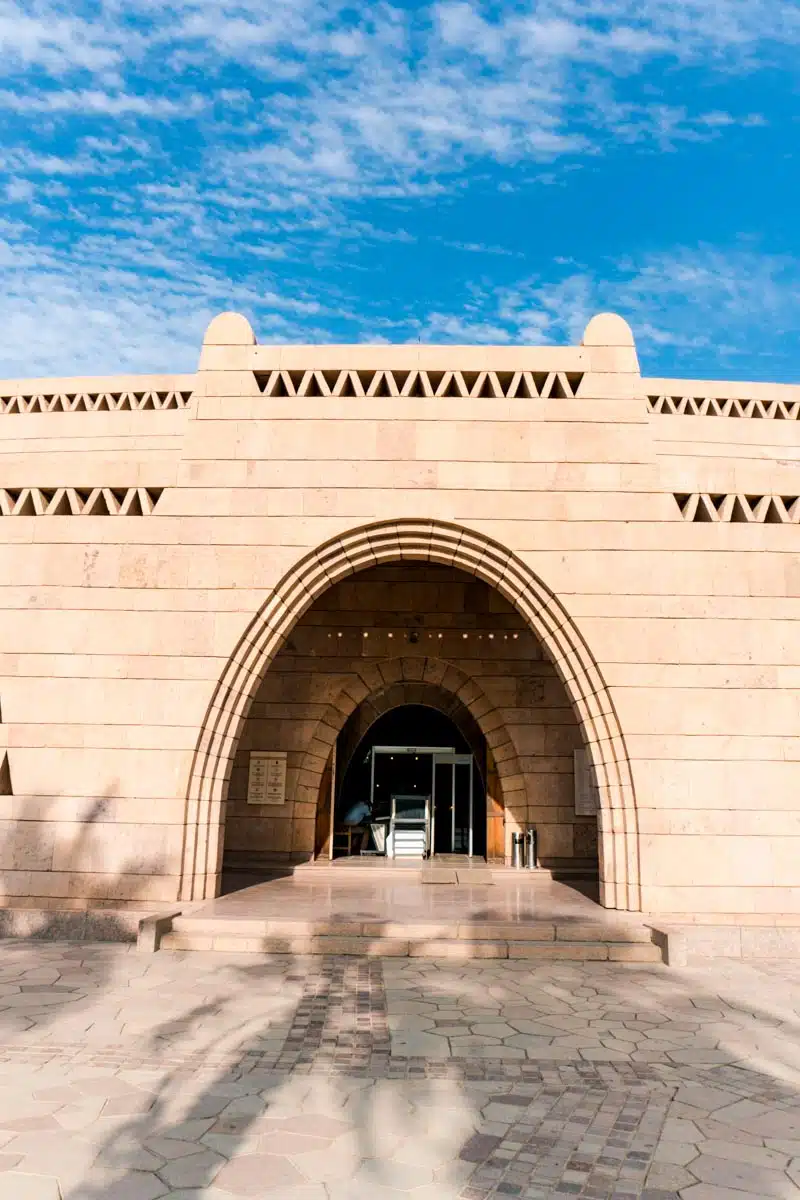
A modern museum housing artifacts dedicated to Nubian history and culture.
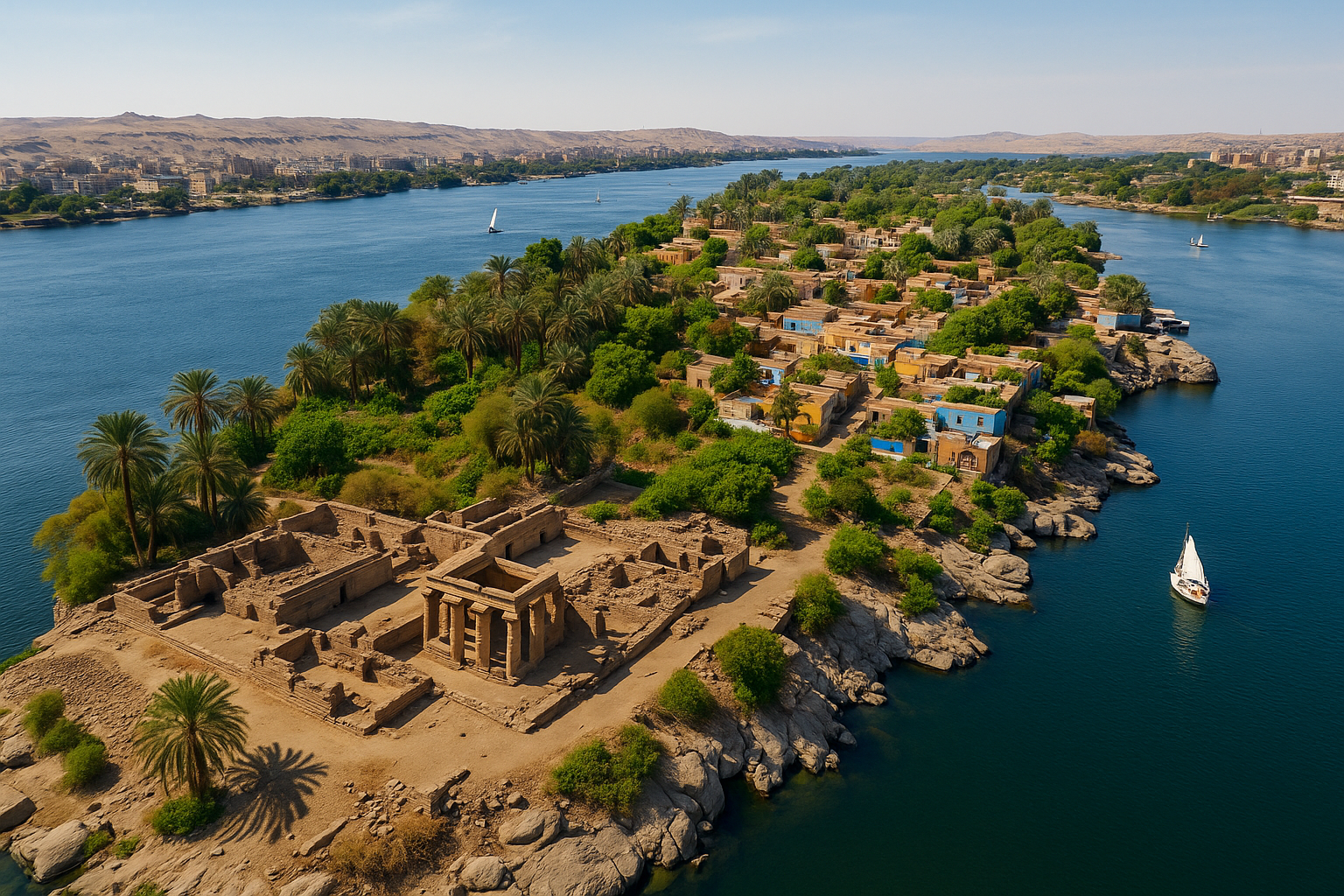
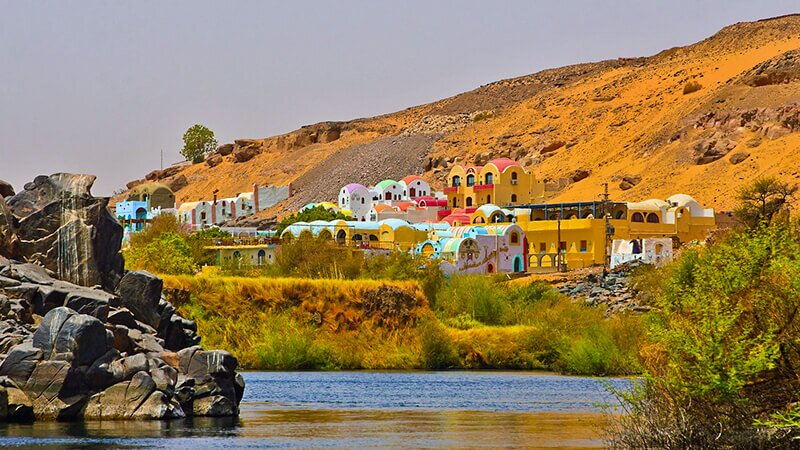
An island featuring ancient ruins and traditional Nubian villages.
Flexible, no hidden fees.
Cancellations made at least 24 hours before your scheduled Philae Temple tour receive a full refund. The 550 EGP entry tickets bought via the official portal are non-refundable.
Hand-picked options within walking distance — pick a district for vibe, or a specific hotel for convenience.
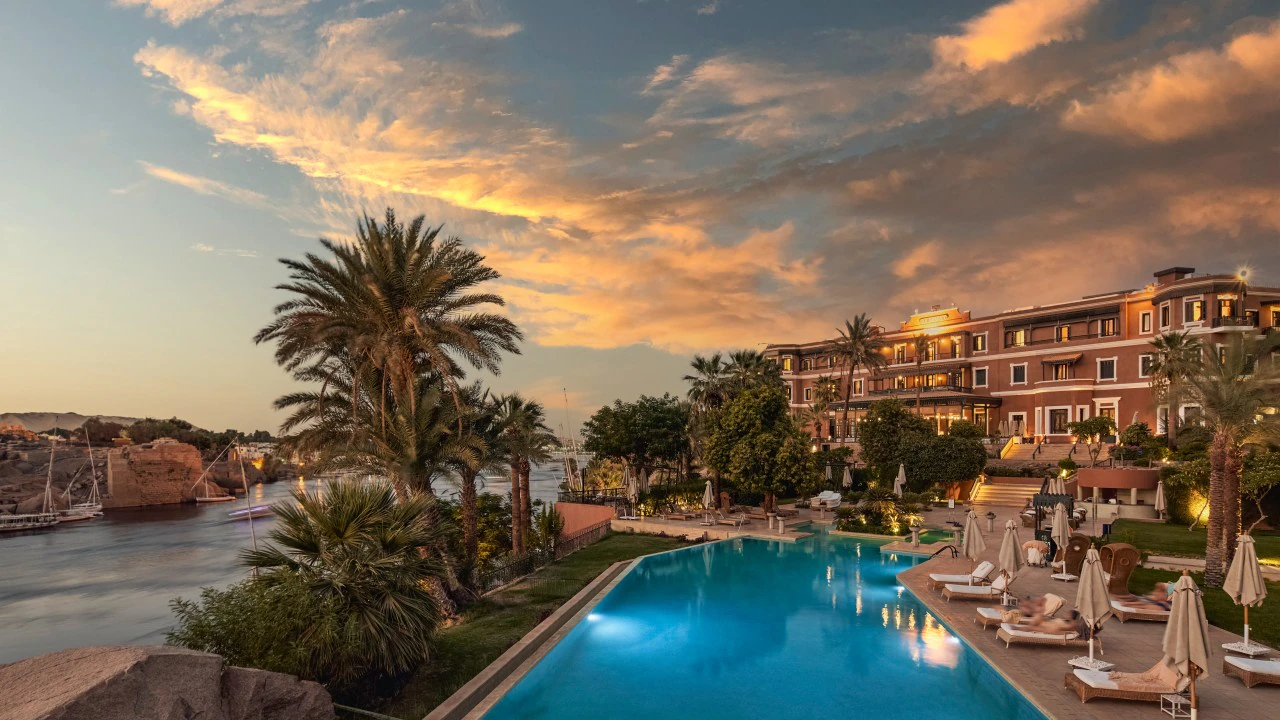
A historic 5-star hotel offering views of Elephantine Island.
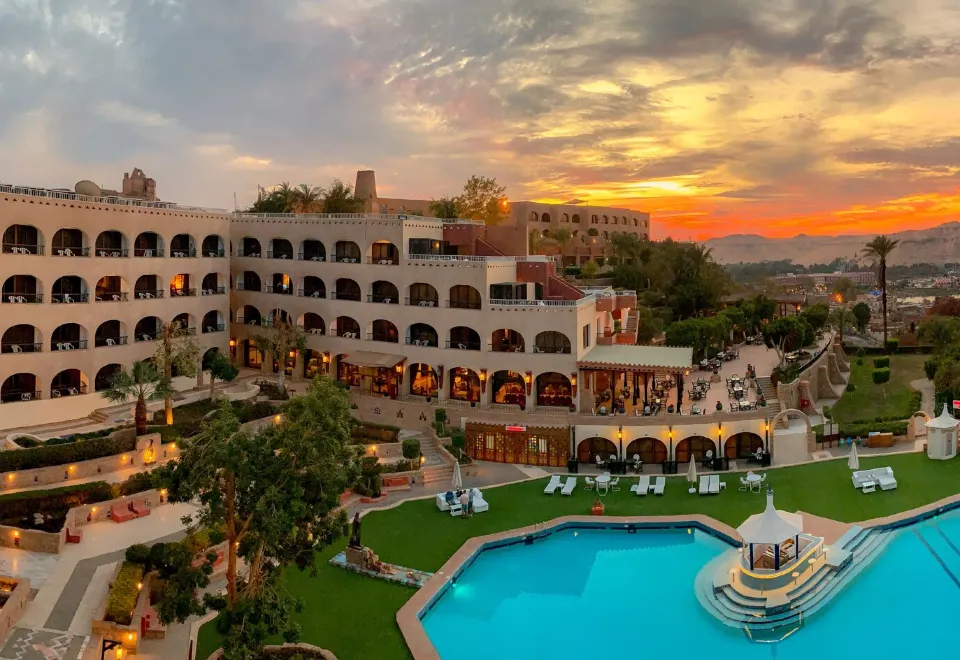
Located on Aswan's highest hill, offering gardens and close proximity to the Nubian Museum.
A rustic budget-friendly option highlighting Nubian hospitality.
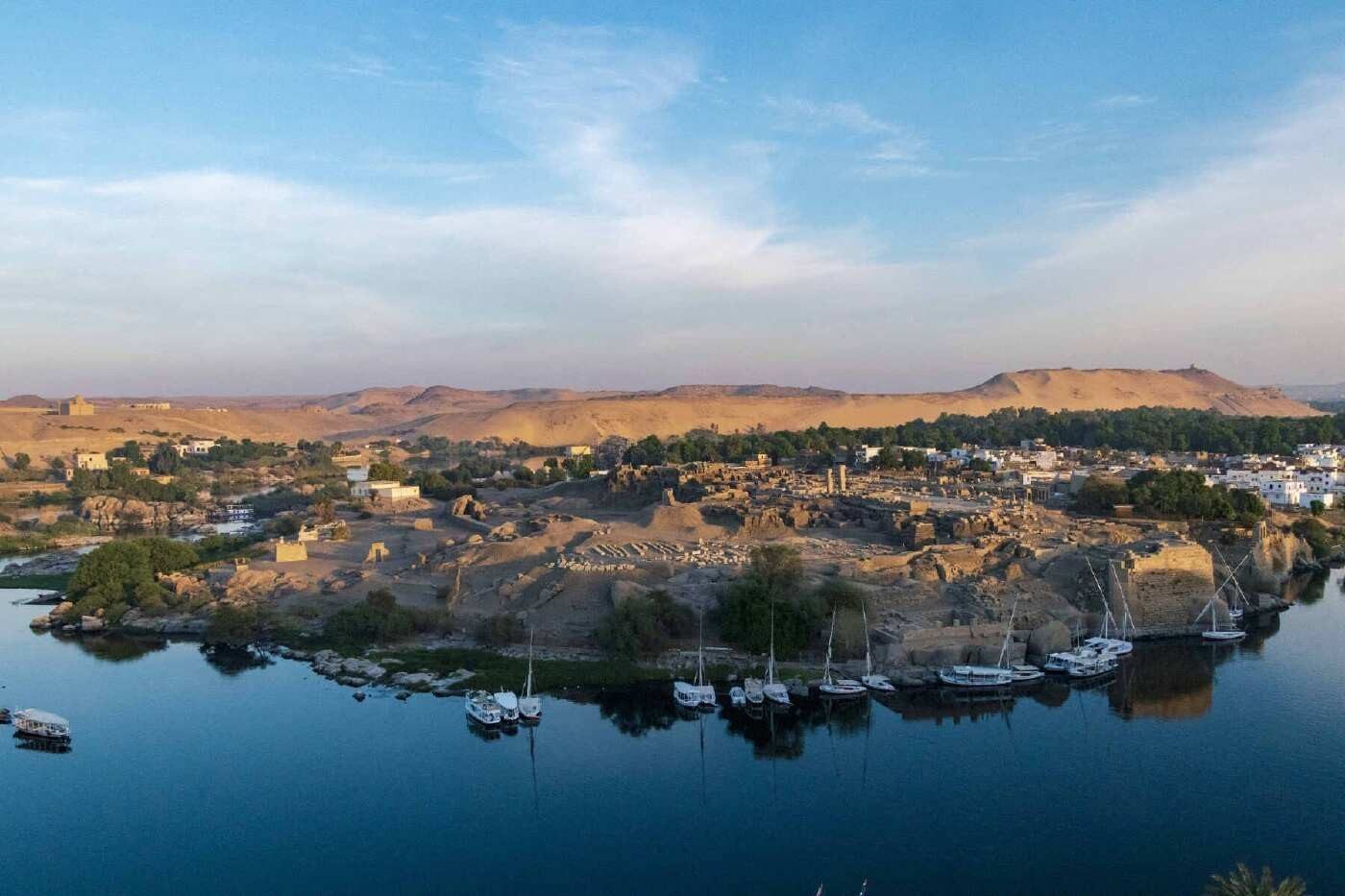
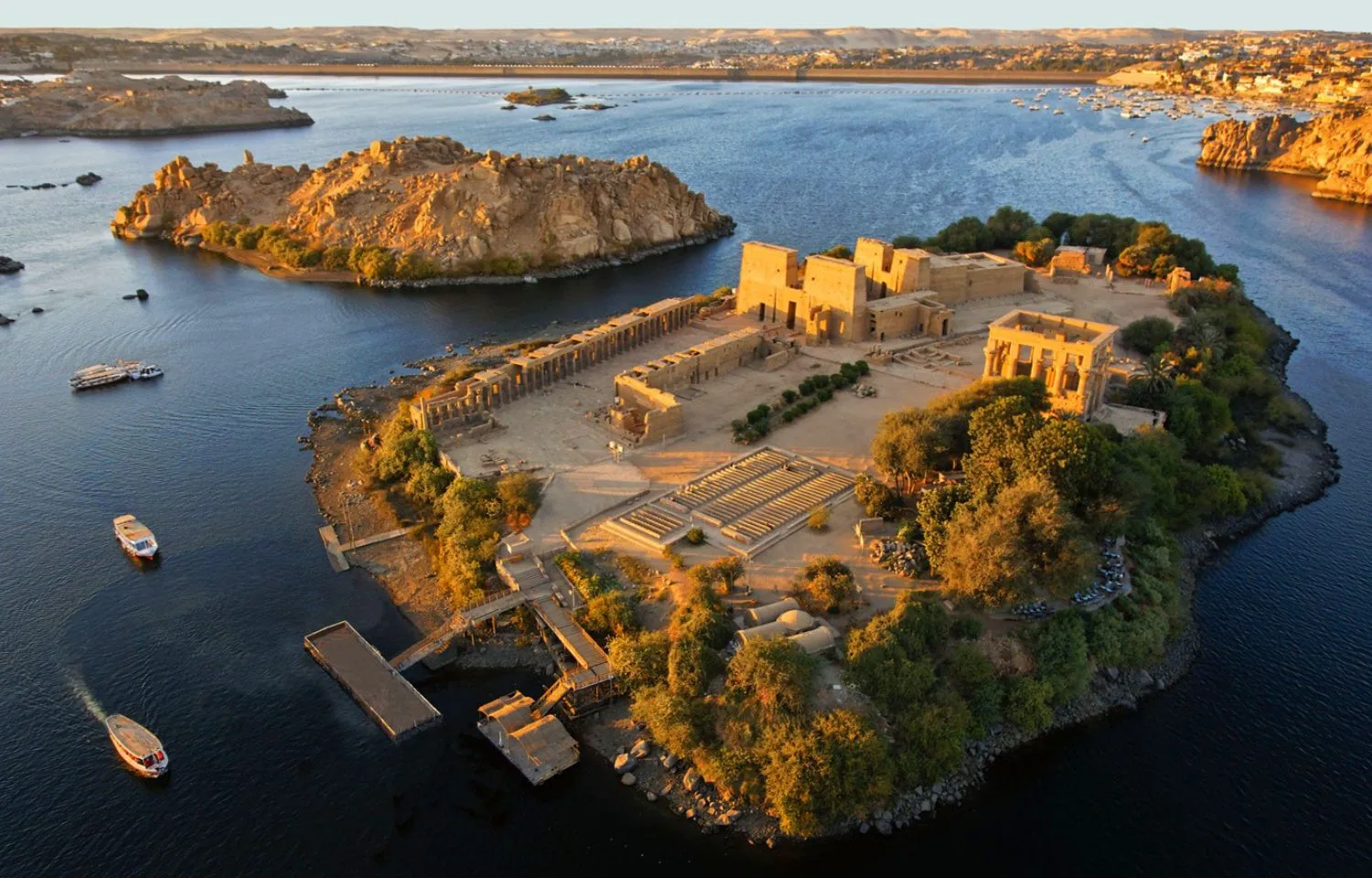
Between 1972 and 1980, a team of engineers dismantled 37,000 blocks of sandstone from a drowning island and rebuilt them eight hundred metres north on higher ground.
The Philae temple complex had stood on its original site for two millennia before the construction of the Aswan Low Dam in 1902 submerged its foundations for half of every year. By the time UNESCO intervened in the 1960s, the rising waters of Lake Nasser threatened to erase it entirely. The relocation to Agilkia Island preserved not only the architecture but also the spatial logic of the site — colonnaded courts, hypostyle halls, and a sanctuary once sealed to all but the priesthood of Isis.
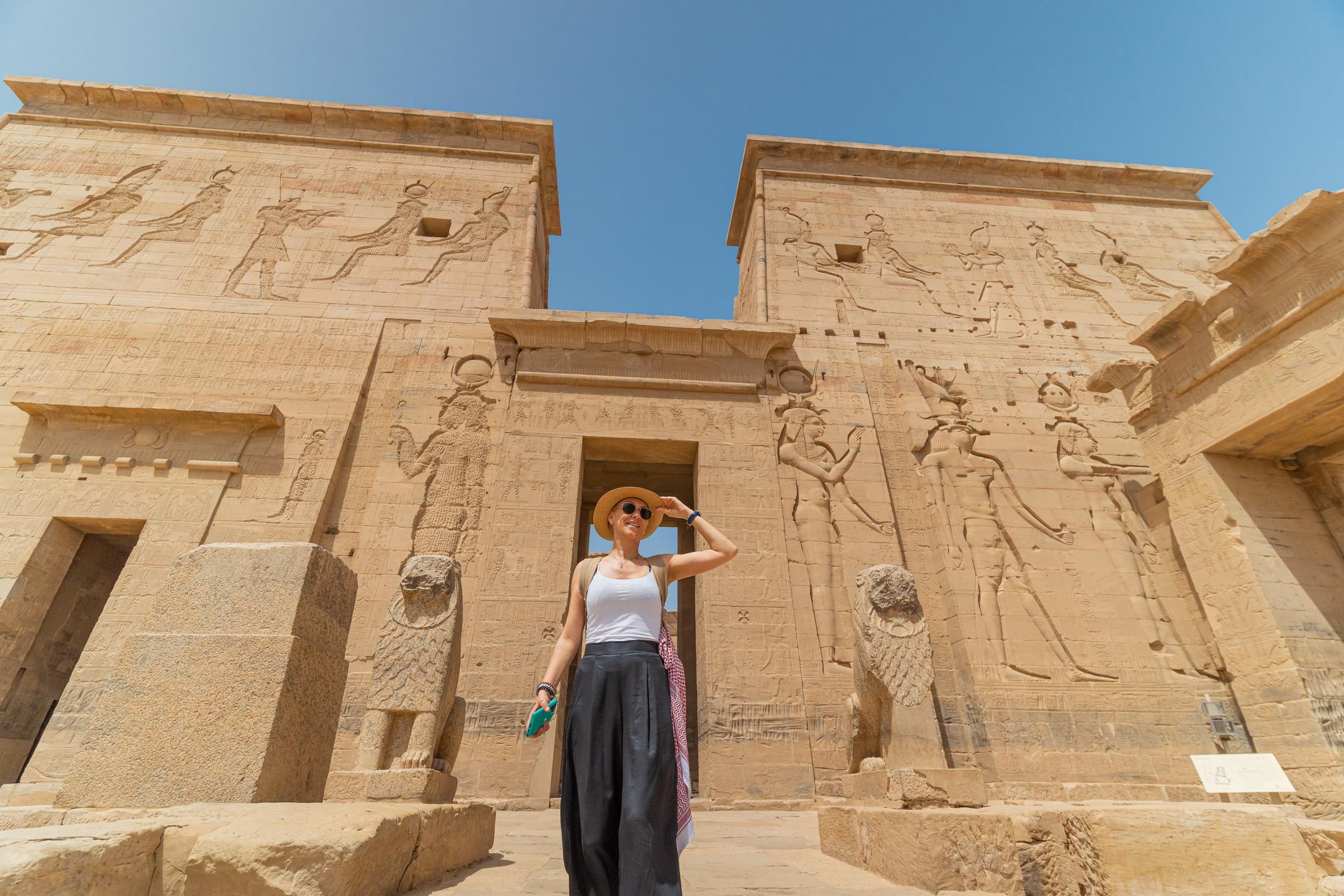
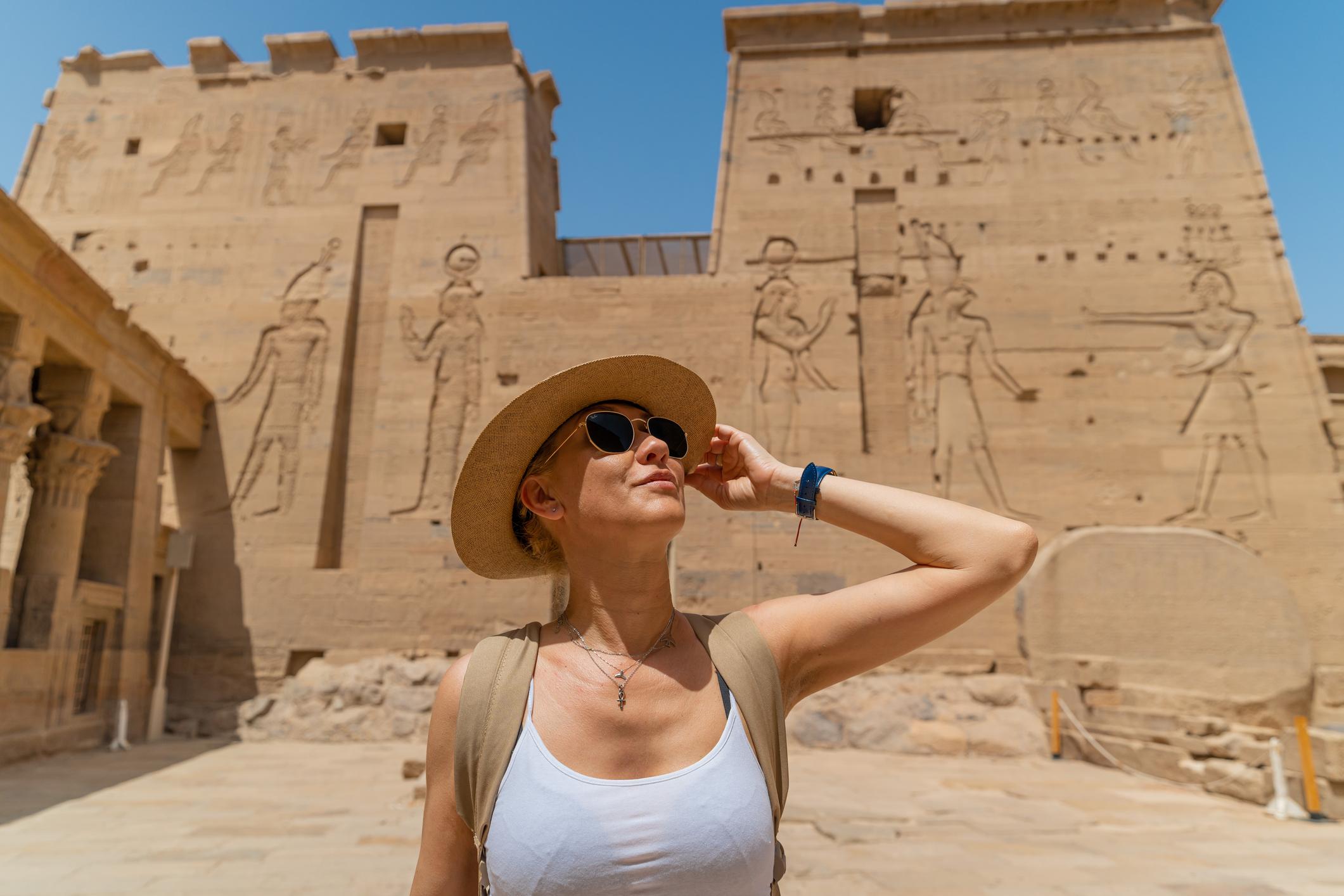
Philae was the last functioning temple of the old religion. Hieroglyphic inscriptions record offerings made here into the sixth century, long after the rest of Egypt had converted. The island itself was considered sacred ground, forbidden to common pilgrims, who could only approach by boat and observe rituals from a distance. The main temple, dedicated to Isis, dominates the complex with a pylon façade carved in deep relief — Ptolemy XII smiting enemies, celestial barques, winged solar discs. Behind the outer courts lies the mammisi, or birth house, where annual rites celebrated the divine birth of Horus. Roman additions are visible in the colonnaded kiosk of Trajan, a roofless pavilion that once served as the ceremonial gateway from the Nile.
The carvings retain much of their original detail despite centuries underwater. French graffiti scratched by Napoleon's soldiers in 1799 shares wall space with Demotic script and Meroitic inscriptions left by Nubian pilgrims. The Coptic cross chiselled over pharaonic reliefs marks the period when the temple was repurposed as a church. Hieroglyphs on the inner sanctuary walls describe the myth of Osiris and the annual flood cycle, linking the temple's liturgical calendar to the rhythms of the river.
Today, every Philae temple tour begins with a motorboat transfer from the Aswan marina. The island has no permanent habitation and closes at sunset, except during the evening sound-and-light programme. The UNESCO rescue project transformed Agilkia into a near-replica of the original island's contours, terracing the rock to match the temple's orientation to the Nile. The complex receives fewer visitors than Abu Simbel but remains one of the most complete examples of Ptolemaic religious architecture still standing.

"Between 1972 and 1980, engineers dismantled 37,000 blocks of sandstone from a drowning island and rebuilt them eight hundred metres north on higher ground."
A step-by-step walkthrough of Philae Temple tickets — what you'll see, how long each stage takes, and the details that matter.
You board a small motorboat at the Aswan marina and cross six hundred metres of open water toward Agilkia Island. The temple's pylon comes into view as you approach the stone quay, its twin towers framing the entrance.
You step onto the dock and walk through the outer court, where sixteen columns with composite capitals line the corridor. The relief work is sharp enough to read — kings making offerings, gods holding ankh symbols, processions frozen in sandstone.
You pass through the first pylon into the hypostyle hall. The roof is intact here, and the sudden shade drops the temperature. Hieroglyphs cover every surface, arranged in horizontal registers that once held paint. You move into the sanctuary, a small windowless chamber at the rear where the cult statue of Isis would have stood. The walls are blackened with soot from Coptic-era fires.
Outside again, you follow the perimeter path to Trajan's Kiosk, an open pavilion with fourteen slender columns supporting a carved architrave. The structure sits at the island's eastern edge, aligned with the rising sun. A narrow stairway cut into the bedrock leads down to the water. You retrace your steps to the boat landing as the light flattens and the island empties, the last ferry departing before the 16:00 gate closure.
Philae Temple is open daily from 07:00 to 16:00. We recommend visiting early in the morning to beat the heat.
Standard tickets for Philae Temple cost 550 EGP for foreign adult visitors, while students pay 275 EGP. Note that the motorboat transfer is not included in this price.
Visitors should dress modestly, covering their shoulders and knees. Loose, light fabrics are ideal for the hot Egyptian climate.
To reach the island, you must take a taxi to Shallal Marina and then hire a motorboat. The boat ride takes about 10 minutes.
Yes, personal photography with a smartphone is permitted at the Temple of Isis without extra fees. However, tripods and commercial equipment require a special permit.
The uneven terrain of Agilkia Island and the necessity of boarding a boat make it challenging for guests in wheelchairs.
You can cancel your Philae Temple tour tour up to 24 hours in advance for a full refund. The 550 EGP entry fee ticket itself is non-refundable.
Yes, children are welcome at Philae Temple, and those under six years of age usually receive free admission.
Outside food is not permitted, but bringing your own bottled water is highly recommended to stay hydrated.
Many operators bundle the boat ride and entry tickets into a single package, which helps you avoid negotiating with boatmen at the marina.